Knitting the Ursa Sweater - Finishing

Updated: Jan 10, 2022
January 5, 2022
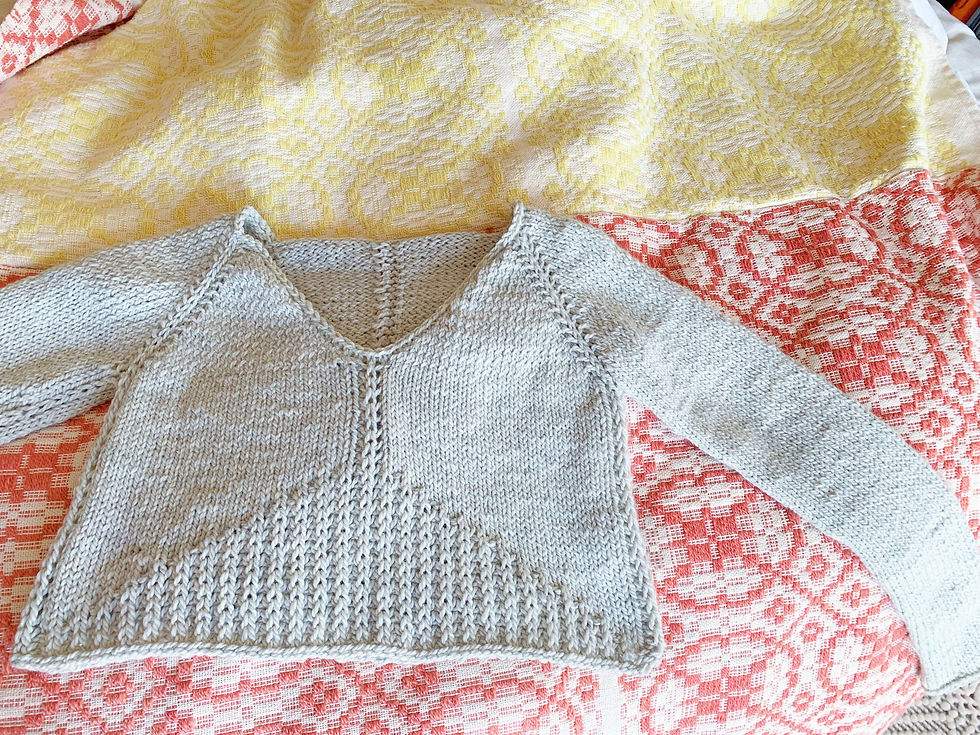
Last night I completed my Ursa sweater while watching "Don't Look Up" with my partner. It feels great to have completed my second sweater ever, especially because it was made with Echoview yarn. I have yet to block it, but I plan to do so within the next few days. I learned a lot of new skills with this knit, including knitting a v-neck and half brioche stitch. I also swatched before starting a project for the first time! It makes me excited to start my next project and put even more skills under my belt.
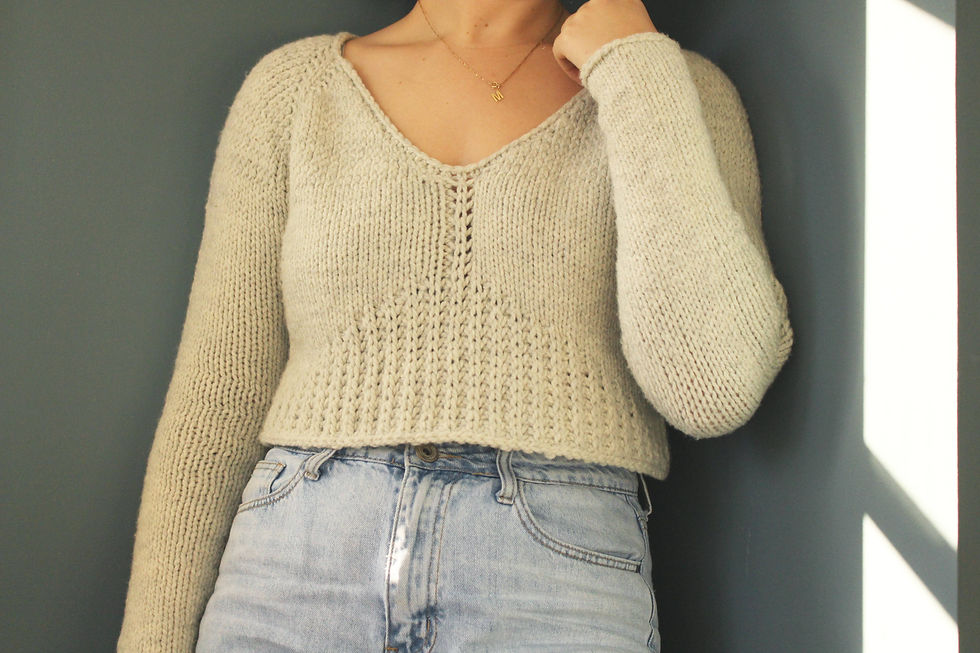
Overall, the Ursa was a relatively easy knit, with clear directions and video instructions provided by the pattern designer. I enjoyed working with the yarn and liked using the lighter color because of increased stitch definition. It is very size inclusive and flattering on people of all body-types. For reference, I am 5ft 6in and typically wear a size US 6, or a small/medium in most brands. I will include a photo of myself below wearing the sweater once it has been blocked. It does have a relatively short crop, so if you want more coverage, or don't typically wear high waisted bottoms, it might be worth getting some more yarn and adding length to your preference.
In order to block my sweater, I am using some old towels laid out on my kitchen table and some pins. As I do when blocking all my knits, I fill a large bowl with cool water and a little bit of my Tuft Woolens Sock Soap which contains lanolin. Lanolin acts as a softening agent and conditions wool or other natural fibers. It also smells ridiculously good. I soak my knit in this water/soap mix for around 10-15 minutes and then gently squeeze out all the water, making sure not to wring the item. Afterwards, I lay it flat on the towels I laid out and gently pull it and pin it into the shape/size I want it to maintain after blocking. Then all you need to do is wait for it to dry!
In other news, I watched the documentary "The True Cost" a couple nights ago, which I highly recommend if you haven't already seen it. It details the problems with the fashion industry, predominantly focusing on the effects of fast fashion. These include dangerous and inhumane working conditions for garment workers overseas and an abhorrent increase of fabric waste since fast fashion brands have become more popular. I really started thinking about fast fashion and fabric waste because of my interest in knitting, which has given me a better understanding of the time it takes to make and design a garment, as well as the cost of high quality materials. I realize that as a knitter and a fiber mill employee, I am extremely lucky that my mill pays a living wage and ensures the fair treatment of it's workers. I know that this is very rarely the case in the fashion industry.
"Slow fashion" is a term I've heard more and more as I've become further involved in the fiber industry. It's important to recognize that while fast fashion sucks and is worth exposing, we need to also be thinking about an alternative and taking steps towards a better option. Slow fashion encompasses what it means to be mindful of what we buy and where it comes from, or sometimes even making out own clothes if we have the skills. It puts an emphasis on the craftsmanship that goes into creating garments and the meaning that we can gleam from a well-made piece of clothing that can last us a lifetime. This means mending our clothes when they rip instead of throwing them away, putting thought into our purchases and avoiding impulse buying, and supporting brands who will in turn, support the rights and well-being of their employees.
What a joy it is to be able to make my own clothing.


Comments